

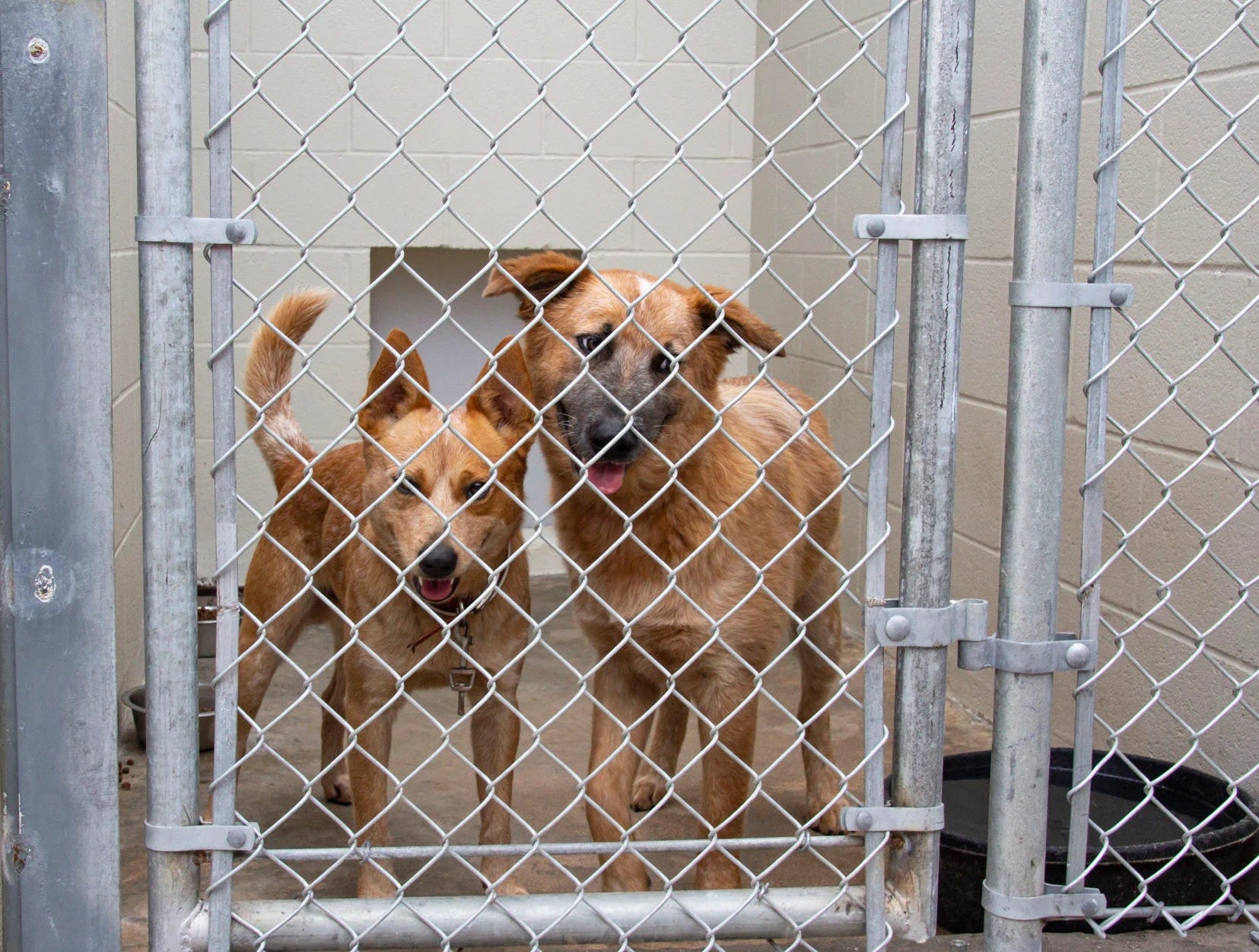
SB 201, a bill to make it illegal for Utah pounds to kill animals that rescue groups are willing to save, has passed the Utah House and Senate and was just signed into law by the Governor.
The bill, modeled after The No Kill Advocacy Center’s Animal Rescue Act, requires “shelters” to notify qualified groups two days before killing animals and allow their rescue. It will save lives, save money, spare rescuer suffering, and bring in millions of dollars in tax revenue.
In California, for example, a similar law has been on the books since 1998. It has increased the number of animals transferred to rescue groups rather than killed from 12,526 a year to 99,783 — a nearly 700% increase, all at no cost to taxpayers. In fact, it resulted in a potential cost savings of over $4,000,000 statewide for killing and destruction of remains. Over 2,000,000 animals have been saved since the law’s inception.
SB 201, the Utah Animal Rescue Act, goes into effect on May 6.
The Animal Rescue Act
The No Kill Advocacy Center’s model legislation for individuals seeking to enact a similar law in their city, county, or state.

To mandate collaborative working relationships between municipal shelters and not-for-profit organizations in order to reduce the number of animals killed, reduce taxpayer expenditures, and increase local economic activity and tax revenues through spending on adopted animals.
Lifesaving, Cost-Saving, and Economic Benefits
In 1998, California passed a law making it illegal for public (and private) shelters to kill animals when qualified rescue groups were willing to save them. Accordingly, the number of animals saved, rather than killed, increased from 12,526 to 99,783 annually — an increase of nearly 700%. That increase corresponds with yearly cost savings of $4,450,107 for killing and destroying remains, plus additional savings relative to the cost of care. In addition to direct savings, a University of Denver study found that laws of this kind have a positive economic impact on businesses and increased sales tax revenues due to subsequent spending by adopters on animals.
Opposition
State and national organizations like the ASPCA often oppose the legislation, claiming that passing such legislation is expensive, unsafe, and tantamount to handing the keys to the shelter over to hoarders. A 10-year study of the California legislation, however, found that “there is no evidence that the problems predicted by some when the law was considered, such as hoarding or exposing the public to dangerous dogs, has ever materialized.” On the contrary, the law improved state and federal oversight of non-profit animal welfare organizations.
Public Safety
Right of rescue access legislation does not change long-standing state laws regarding dangerous dogs and dogs who cause serious physical injury. These dogs, animals suspected of having rabies, and animals who are irremediably suffering are exempted from the notification and placement requirements.
Moreover, a subsequent study in a local municipality with such an ordinance found that while the placement of dogs climbed from 69% to 98%, the percentage of dog bites deemed moderate or severe declined by 13%, with the greatest decline in the number of bites classified as “severe,” which declined by 89%. The study concluded that the legislation was not only consistent with public safety, it also improved it, noting positive impacts on “public health, social capital, and community engagement,” all of which have “important implications for [the city’s] ability to promote and sustain the health and well-being of both its human and non-human animal residents.”
Model Legislation
Sec. 1. Definitions
(a) Animal shelter.—The term ‘animal shelter’ means <<name of animal control shelter>>; as well as a public or private facility that:
(1) Has a physical structure, other than a private home, that provides temporary or permanent shelter to stray, abandoned, abused, or owner-surrendered animals; and,
(2) Is operated, owned, or maintained by a society for the prevention of cruelty to animals, humane society, other non-profit organization, pound, dog control officer, government entity, or contractor for a government entity.
(b) Licensed veterinarian.—The term ‘licensed veterinarian’ means a veterinarian licensed to practice veterinary medicine in this state.
(c) Rescue organization.—The term ‘rescue organization’ means an organization that is:
(1) Described in section 501(c)(3) of the internal revenue Code and exempt from taxation under 501(a) of that Code; and
(2) An animal rescue organization, animal adoption organization, or organization formed for the prevention of cruelty to animals.
(d) Irremediable suffering.—The term ‘irremediable suffering’ means an animal who has a poor or grave prognosis for being able to live without severe, unremitting physical pain even with comprehensive, prompt, and necessary veterinary care, as certified in writing by a licensed veterinarian.
(e) Serious physical injury.—The term ‘serious physical injury’ means a physical injury to a person from a dog bite that creates a substantial risk of death or which causes death or serious or protracted disfigurement, protracted impairment of health or protracted loss or impairment of the function of any bodily organ.
(f) Unprovoked biting.—The term ‘unprovoked biting’ means unprovoked biting of a person. Biting is provoked if, among other things, it occurs because the dog was being taunted, or the dog was acting in defense of self, a person, another animal, or property, or the dog was acting from maternal instinct, or the dog was reacting to hunger, pain, or fear, or the dog bites accidentally, as when playing.
(g) Business day.—The term ‘business day’ means a day the animal shelter is open to the public for adoption and redemption for a continuous period of at least four (4) hours.
Sec. 2. General Provisions
(a) Not less than two business days before the euthanasia of any animal, the animal shelter shall:
(1) Notify or make a reasonable attempt to notify by verifiable written or electronic communication any rescue organization that has previously requested to be notified before animals are euthanized;
(2) Give those notified under Subsection (a)(1) possession of the animal to avoid the animal’s death if they request it.
(b) The rescue organization must take possession of the animal within 48 hours of notifying the shelter pursuant to Subsection (a)(2).
(c) No animal shelter may euthanize any animal without meeting the requirements of this Subsection, except as follows:
(1) An animal who is irremediably suffering.
(2) A dog adjudicated to be dangerous pursuant to <<State Dangerous Dog Law>> and ordered to be euthanized by the court.
(3) A dog with a documented history of unprovoked biting that has resulted in serious physical injury to a person. Documentation must consist of medical reports made at or around the time the prior bite incident occurred which describe the circumstances of the bite, the nature and severity of the injury, and treatments given for the injury.
(4) An animal that has bitten a person and is suspected to carry and exhibit signs of rabies, as determined by a licensed veterinarian.
For a free step-by-step guide to get it introduced and passed, click here.