

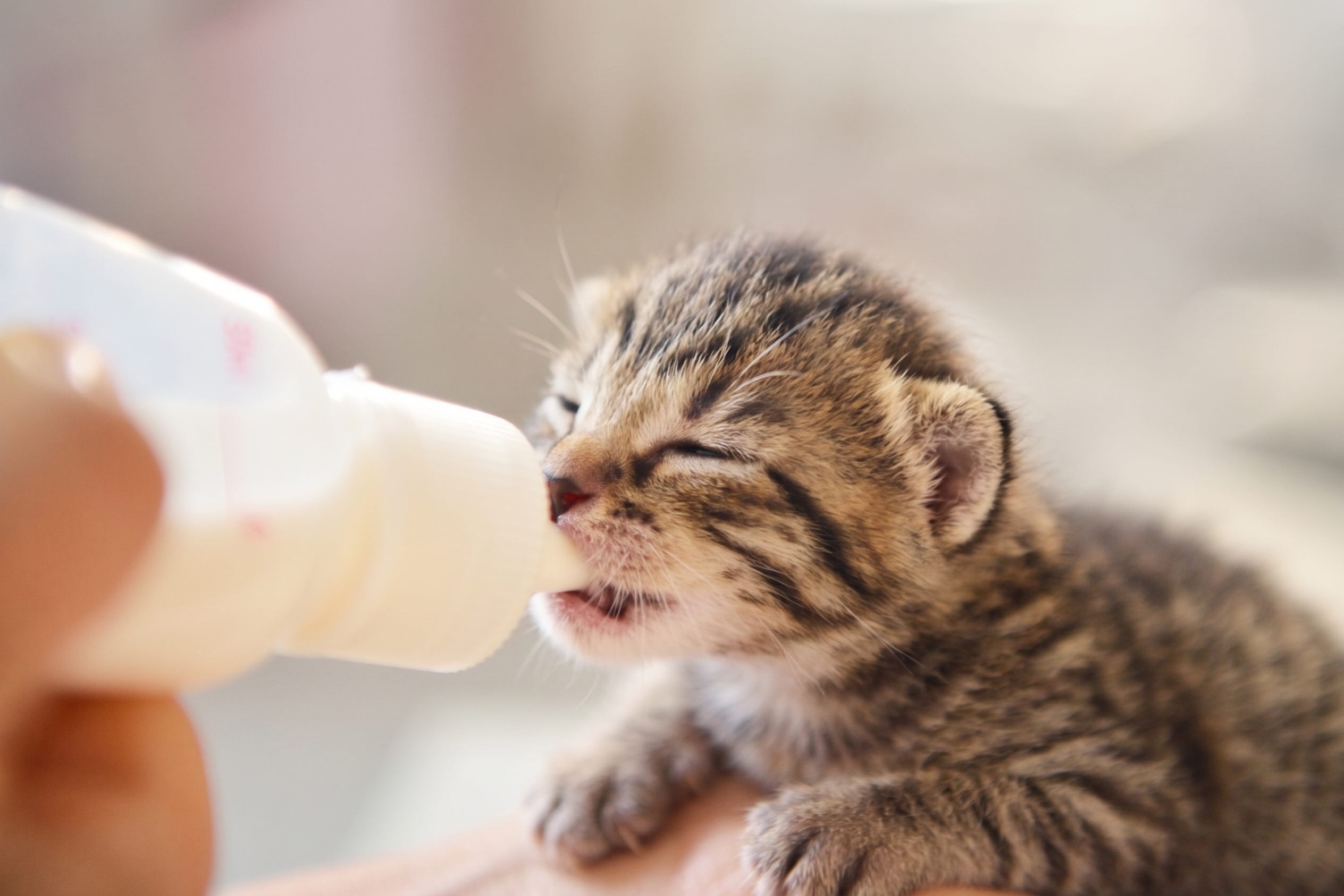
Recent recalls have impacted both feline and puppy milk replacers. These products were found to have significant nutritional deficiencies or inconsistent vitamin levels that pose severe health risks to neonatal animals. They are not the only ones of late, as pet food recalls are not uncommon and have increased in recent years. Here’s how to protect your animals.
Feline milk replacer recall
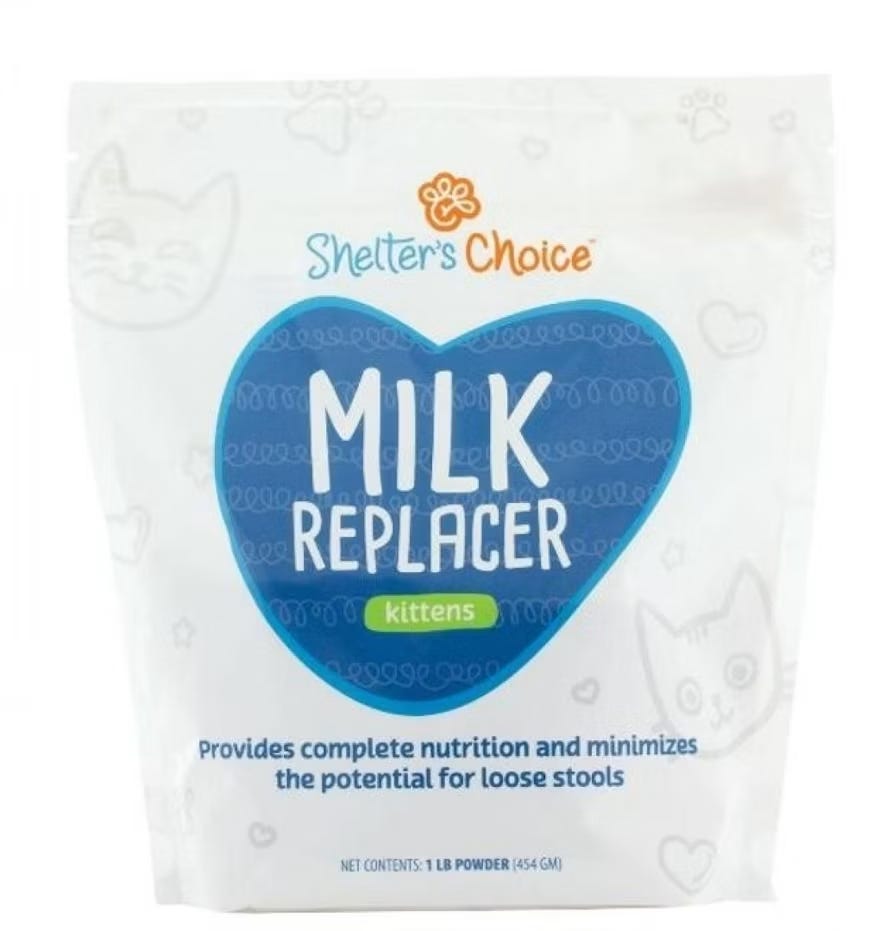
Breeder’s Edge and Shelter’s Choice feline milk replacer used to bottle feed neonatal kittens has been recalled after nutritional deficiencies were found following complaints of “gastrointestinal and bone development issues.” According to reports,
Kittens fed a deficient milk replacer face compounding, multi-system risks, including anemia, neurological dysfunction, liver failure, kidney damage, skeletal disease and cardiac compromise. Because young kittens grow so quickly, clinical signs may appear within days to a few weeks, and the deficiencies can be fatal or cause permanent organ damage if not caught in time.
Puppy formula issues
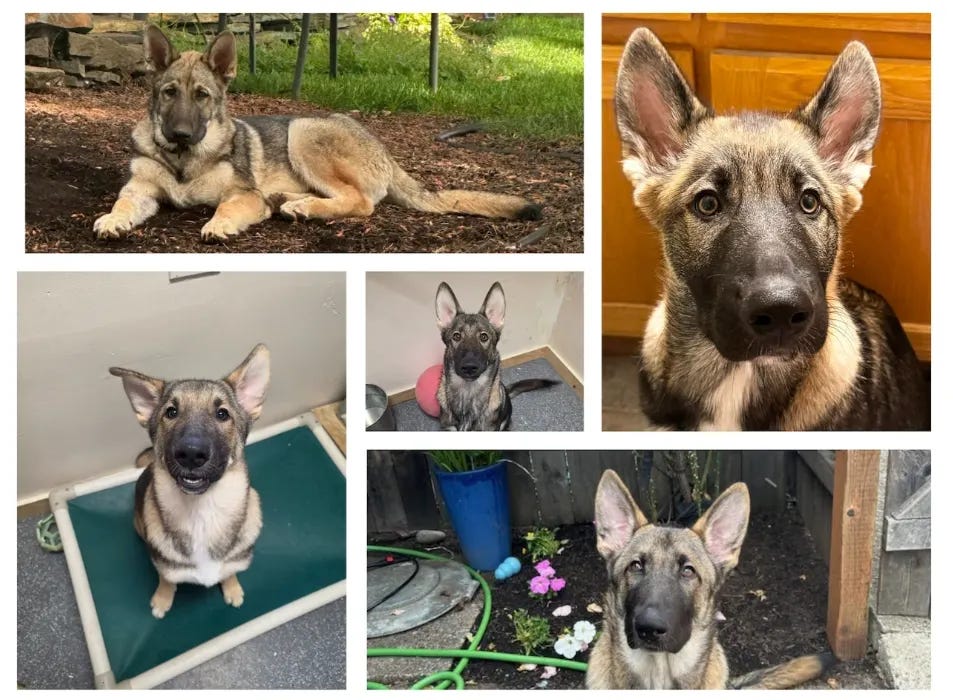
Earlier this year, Revival Animal Health, which makes the kitten formula, was sued because its puppy milk replacer was also found to contain nutritional deficiencies that allegedly harmed puppies.
According to the lawsuit, nine newborn puppies were found abandoned and were exclusively fed the recalled milk replacer by rescuers. At approximately four weeks of age, several puppies began limping and losing mobility, prompting extensive veterinary evaluations that ultimately diagnosed nutritional rickets. The rescue reported that multiple puppies suffered fractures and bone deformities as their weakened skeletal systems struggled to develop normally. Veterinary testing, specialist consultations, bloodwork, genetic testing, and FDA involvement led investigators to conclude that the puppies’ condition was linked to the formula.
The puppy formula was ultimately recalled for inconsistent and variable levels of Vitamin D. Dogs consuming elevated Vitamin D levels may exhibit vomiting, loss of appetite, excessive thirst/urination, drooling, and weight loss. In puppies, unbalanced vitamin levels can also lead to severe bone disorders like rickets.
Pet food recalls are not uncommon
The Journal of Food Production analyzed all 3,691 Food & Drug Administration (FDA) pet product recalls over the last 20 years (2003-2022) and found that the vast majority — 68% — were pet food related. Of these, over half were Class I recalls, meaning there was “a reasonable probability that the use of, or exposure to, a violative product will cause serious adverse health consequences or death.” And these recalls “have increased in recent years.”
Why does it keep happening?
The pet products and services industry fights efforts to fully compensate victims of their tainted products. Instead, they encourage courts to rely on 19th-century case law that held animals were mere property, “analogous, in law, to a… table or lamp.” As long as courts shield these companies from liability, they have little incentive to provide better care or safer products.
What can you do to protect your animals?
To stay informed about potential risks, you can set up Google Alerts for specific products you use and utilize recall notification apps available on the Google Play Store and Apple App Store.
Thank you, Nathan -- will share.